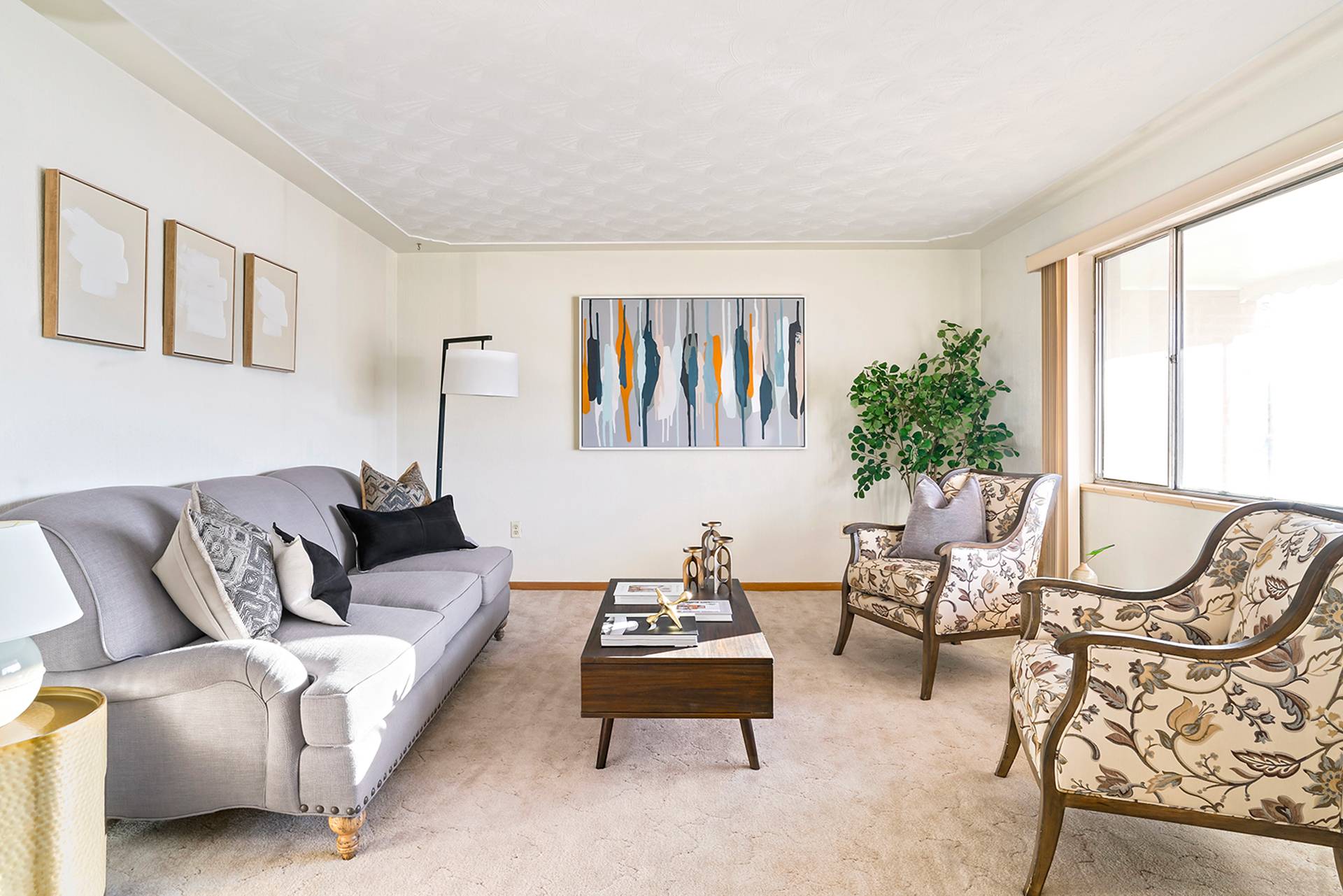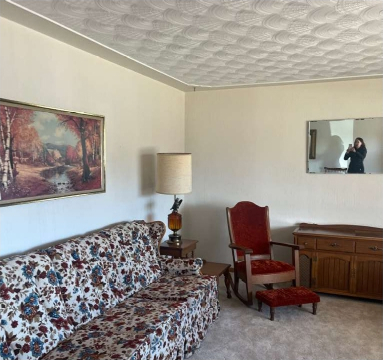







"We had the pleasure of working with Xenia twice—once when purchasing our home in 2019, and again recently when it was time to sell. From start to finish in both transactions, she was professional, committed to client satisfaction, and extremely knowledgeable of the market.When we first bought the house, Xenia made the entire process seamless and stress-free. She was patient, responsive, and thorough—helping us find the perfect house for our need…

"Xenia did an amazing job working with us. She offered many different options and solutions for us as we were getting our house ready to sell. We wanted someone very motivated, knowledgeable about the market and responsive to our needs. Xenia was with us every step of the way. She made some fabulous suggestions on how to upgrade our home and bring out the shine. We appreciate her knowledge and expertise. We have recommended her to other frie…
"I have never sold a house before and was doing so as a result of a death in our family. I felt so overwhelmed with this daunting responsibility while grieving and serving as the personal representative for the estate. Xenia was patient and kind while always being ready to take my calls and answer my numerous questions. Xenia kept me updated and on track throughout the entire process. With her expertise, the house sold in 2 days and to the exact r…
"Xenia was great, she stayed in tough, was always responsive and on top of everything. Could not be happier with her services. The way she presented the property and got it ready for showings was above normal, she knew what the property needed to get sold."
"Xenia is marvelous, professional and has gone above and beyond helping me sell my property. Xenia took away all of the anxiety and stress which can occur when selling a property. Her confidence, attention and assurance made for a very successful and pleasant and happy result. If you want your property sold with great success and the utmost assistance and attention in every step Xenia is the realtor you should engage."
"Xenia is quite honestly the most remarkable Realtor you could ever meet. I know that sounds over the top, and it should. She is OUTSTANDING. Her knowledge and expertise is iron clad. She did not have a single flaw when it came to selling our property. Every question we had, she had an answer. She knows her stuff, she lives this, I mean she really is an expert. Outside of her smarts , her character and integrity was so refreshing in this indusrty.…
"We worked with Xenia to both buy and, more recently, sell our home in Denver. She is very knowledgeable about Denver neighborhoods, and takes a data-driven approach, which helped us price our home effectively. We were able to get an offer that met our unique needs. She kept us informed throughout the process and had excellent insights and resources for staging and marketing. Highly recommend!"
"This is the second property Xenia helps us to buy, she's been amazing from the beginning, friendly, great knowledge and outstanding negotiating skills."
"Xenia was extremely knowledgeable about the different areas and history of Denver. She was constantly available for questions and was always upbeat in the search for the perfect home for me! I thoroughly enjoyed working with her and will definitely be reaching out for any future house searches."
"Xenia was fantastic! I couldn't have sold my house without all her support and communication. She was with me every step of the way and connected me with other people to get my house in Denver ready to sell. I would highly urge people to contact Xenia at milehimoden if they want to buy or sell a home. Xenia works hard for her clients. I just love her energy and positive energy. Candis Hitchcock"
© Zillow, Inc., 2006-2016. Use is subject to Terms of Use What's a Zestimate?